AMD or NVIDIA: Top GPU for better Gaming | Saikat
AMD or NVIDIA: Top GPU for better Gaming
.jpg)
Introduction
Picture loading up Cyberpunk 2077 at 4K, everything maxed, ray tracing blazing, and the frame counter pinned at 120. It sounds like the kind of dream most gamers chase. In 2025, that dream sits squarely in the middle of one of the biggest debates in PC hardware: AMD's new RX 8000 series versus NVIDIA's RTX 50 lineup. Both claim the top spot, both crush benchmarks, and both have strong fan bases.
Below, we walk through real numbers, gaming tests, price breakdowns, and features and power use so you can pick the right card for your setup. Most gamers will find one side pulls ahead by the end.
Raw Performance Breakdown
Rasterization Speed in Top Games
If you're looking at pure rasterized performance, AMD's current flagship, the RX 8900 XTX, pushes ahead in several of the top titles. In Forza Horizon 5 at 1440p, for instance, AMD leads by five to ten percent in recent TechSpot tests from late 2025. You see this gap in other popular games:
If competitive play or titles that don’t utilize much ray tracing are your focus, then AMD gives you better frames per dollar spent.
Ray Tracing Power
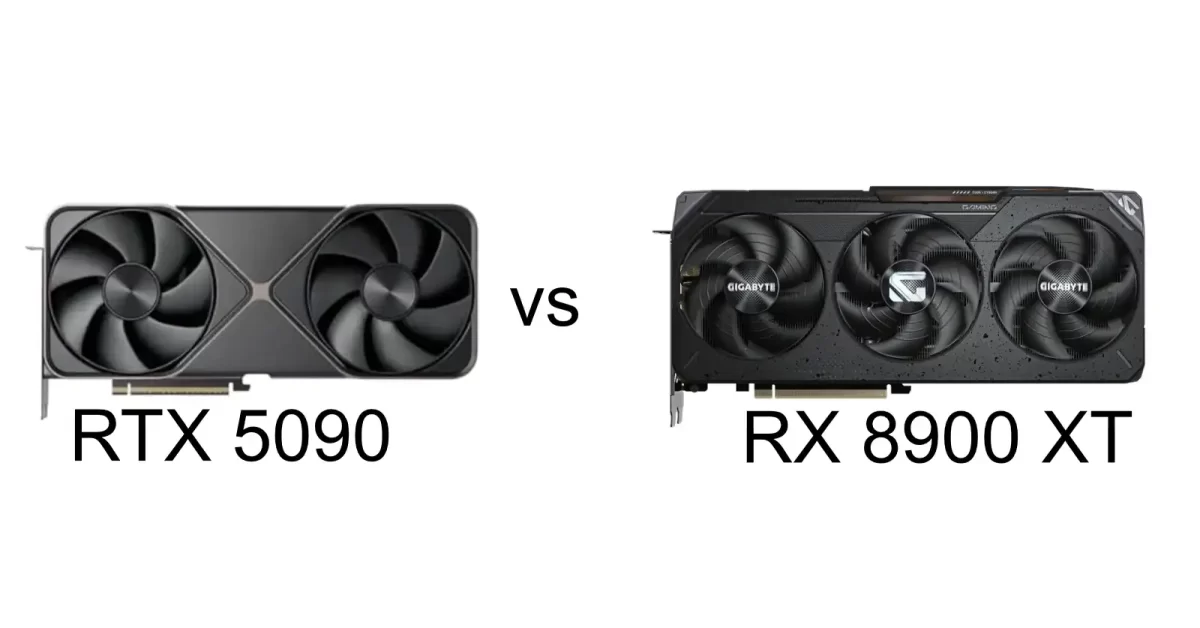
Ray tracing remains NVIDIA's stronghold. The RTX 5090 pushes about 20 percent faster performance in Alan Wake 2, according to Digital Foundry's testing. Even reviewers like Linus Tech Tips aren't shy about saying it: the RTX 5090 dominates heavy RT workloads.
A good example comes from Control at 4K ultra with ray tracing maxed:
- NVIDIA: About 80 FPS
- AMD: Approximately 65 FPS
If your priority is lighting accuracy and full RT effects in next-gen games, NVIDIA still stands ahead.
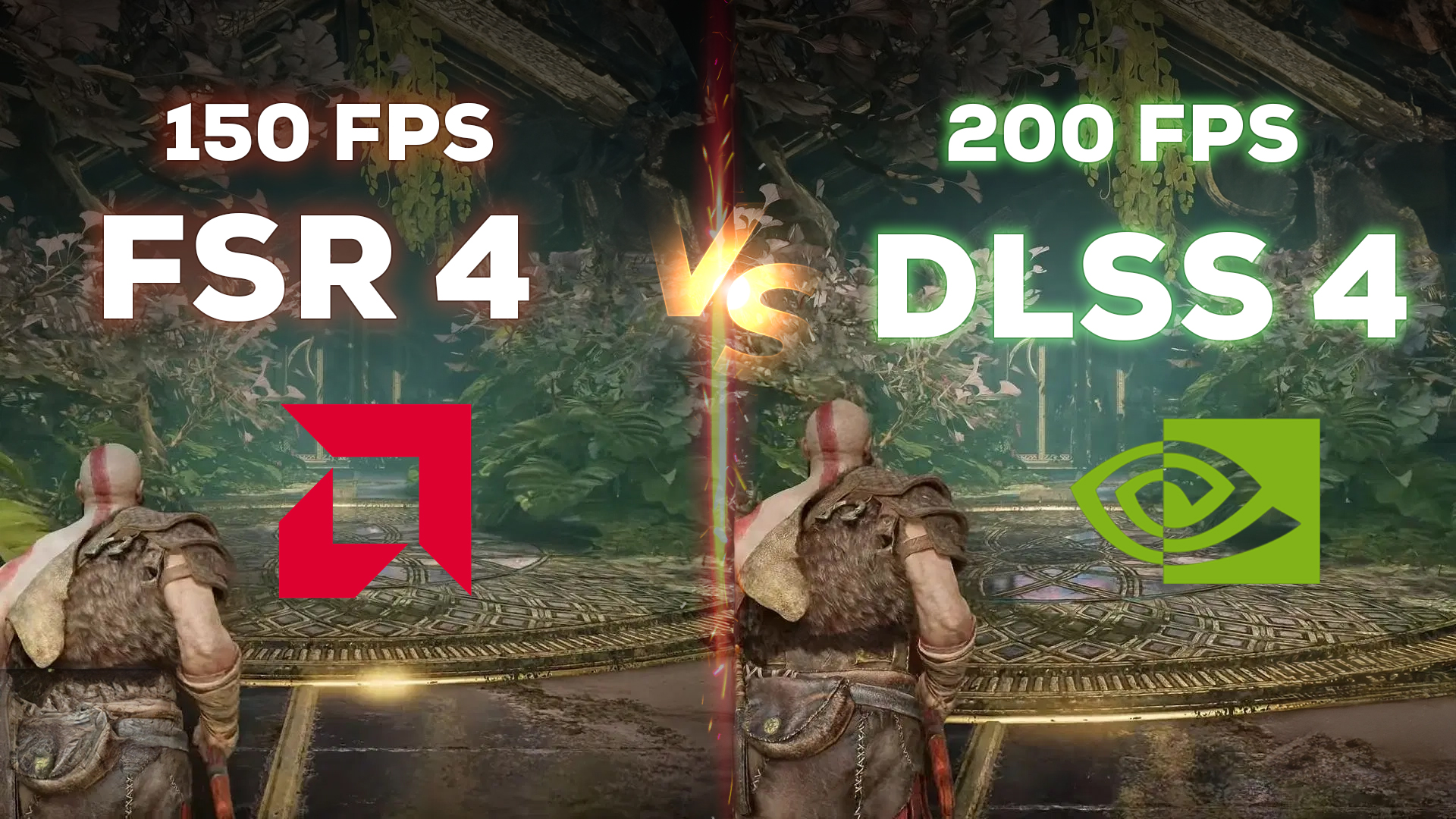
DLSS 4 vs FSR 4

Upscaling is a major factor now, and NVIDIA's DLSS 4 continues to deliver cleaner image quality and higher frame gains. In Black Myth: Wukong at 4K, the performance with DLSS hits roughly 100 FPS, whereas FSR lands closer to 85.
If you want scaling that's future-proof for RT-heavy games, DLSS keeps smoother edges and more stable frames.
The circumradius of the triangle equals half of its hypotenuse.
Price and Value Check
Street Prices in 2025
If you build around value, the mid-range options for AMD are hard to ignore. The RX 7800 XT sells for about ₹37,350 and outclasses the RTX 4070 Ti in terms of price-to-performance.
GPU Price 1440p Perf Index
RX 7800 XT ₹37,350 100
RTX 4070 Ti ₹58,100 105
You're paying 55 percent more for only a small performance bump with NVIDIA.
Cost Per Frame Analysis
AMD tends to take the win when breaking the cost down by frame. In Warzone, AMD cards tend to come in at about ₹332 per FPS, while NVIDIA sits around ₹498.
One example that floats around forums is that of a gamer who moved to the RX 7900 GRE, saving close to ₹24,900 while gaining about 30 percent more speed compared to his older NVIDIA card.
If it's under ₹41,500, AMD almost always wins. But if you're buying above ₹83,000, NVIDIA becomes the safer bet.
Power Draw and Electricity Bills
Power matters, especially if you game many hours a week. AMD's flagship cards pull about 300W compared with the NVIDIA options at around 450W. Over a year, AMD can save you about ₹4150 on electricity at an average rate of ₹12.45 per kWh.
Features for Gamers
Software and Extras
NVIDIA takes the lead here. GeForce Experience still has smoother optimization, faster driver fixes, and solid stability. Hardware Unboxed summed it up well by saying NVIDIA tends to patch issues quicker.
Latency tools also help. NVIDIA Reflex can shave around 20 milliseconds in Apex Legends, and that makes a real difference in competitive matches.
VRAM and Future Games
A lot of the AMD cards now boast 20-24GB of VRAM. This helps with 8K textures, mod-heavy games, and high-resolution asset packs. The comparable cards from NVIDIA often sit closer to 16GB.
A more practical example concerns Flight Simulator 2024. AMD cards do not stutter when loading heavy scenery, especially with mods.
If you like open-world games, simulators, or texture mods, AMD gives you more headroom.
Encoding for Streamers
The NVIDIA NVENC encoder still outclasses AMD when it comes to stream quality. It provides cleaner footage while using less CPU, helping when running many programs at once.
According to the Twitch statistics, RTX cards provide about fifteen percent fewer frame drops. If streaming is a part of your routine, then NVIDIA remains the safer pick.
Overview of Real-World Tests and Cases
High-End 4K Builds
If you're building a monster rig for 4K with ray tracing, NVIDIA pushes ahead. A common high-end setup pairs an i9 processor with the RTX 5090, hitting about 110 FPS in Elden Ring with ray tracing enabled.
AMD’s RX 8900 XTX stays close at about 95 percent of that performance but sells for nearly half the price. You decide whether the RT performance premium is worth it.
Mid-Range 1440p Wins
For most gamers, the sweet spot is 1440p. AMD owns this range. The RX 7600 beats the RTX 4060 by about fifteen percent in Cyberpunk without ray tracing.
Many users in the Reddit community have said it doubled their frame rate by going with AMD and staying within the budget.
Laptop Gaming

NVIDIA stays ahead in the laptop world. The RTX 5090 Laptop GPU holds an approximately forty percent lead over the Radeon RX 8900M. Better efficiency and cooling also make NVIDIA the easier pick for portable gaming.
Conclusion
Both brands offer fantastic gaming options, but they excel in different areas.
- NVIDIA wins for premium ray tracing, streaming tools, and high-end builds.
- AMD dominates in value, raw raster performance, memory capacity, and mid-range gaming.
Key numbers to remember:NVIDIA leads by about fifteen percent in RT workloads, while AMD offers about twenty-five percent superior value per frame.
If you're still deciding, here's a simple breakdown:
- Budget gamer: Go for the RX 7800 XT.
- Maximum RT and streaming: Select the RTX 5090.
- Most 1440p builds: AMD offers the best price-to-performance.
Prices usually fall following major shopping weekends, so make sure to check current listings before you lock in your build.


Comments
Post a Comment